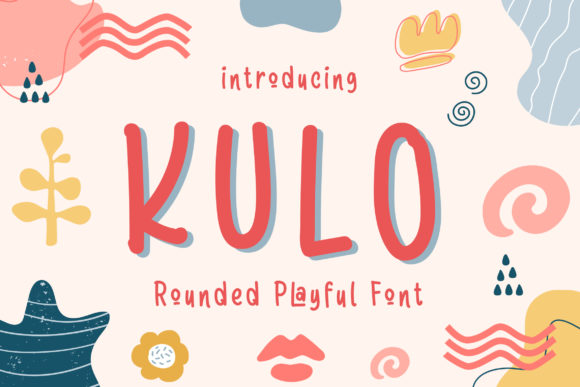
Kulo: A Playful and Cute Display Font for Joyful Communication
Fonts have the power to transform simple text into a visual experience, and Kulo is no exception. With its playful curves, cheerful shapes, and warm energy, Kulo brings a sense of joy and authenticity to any design project. Whether you're creating materials for a children's activity, a school project, or even branding for a fun business, this font adds a unique personality that stands out from the crowd.
Why Choose Kulo?
Kulo is more than just a font—it’s an expression of creativity and charm. Designed with soft edges and rounded forms, it evokes a sense of innocence and approachability. This makes it especially well-suited for projects aimed at younger audiences, educational content, or anything that needs a friendly and inviting tone.
Many creators choose Kulo because it effortlessly blends aesthetics with functionality. It's legible enough for body text in some cases, yet stylized enough to draw attention as a display font. Its versatility allows it to be used across various platforms, including websites, print media, social media posts, and digital presentations.
Common Mistakes When Using Kulo
While Kulo is a fantastic choice, there are a few common pitfalls that users might encounter when selecting or using it. Understanding these can help ensure your final product looks professional and impactful.
Mistake 1: Overusing Kulo
Some designers fall into the trap of using Kulo for every element of their design. While it's a great display font, overuse can make your message feel cluttered or unprofessional. For example, if you use Kulo for headlines, subheadings, and body text all in the same piece, the overall design may become overwhelming and less readable.
Better Approach: Reserve Kulo for headings, titles, or emphasis. Pair it with a more neutral sans-serif or serif font for body text to maintain balance and readability.
Mistake 2: Not Checking Font Licensing
Before downloading or purchasing Kulo, it's essential to understand the licensing terms. Some fonts are free for personal use but require payment for commercial applications. If you're using Kulo for a client project, a website, or printed material, you must ensure that you have the proper rights to do so.
Better Approach: Always review the license agreement before using any font. If you're unsure, contact the font provider directly or opt for a licensed font that clearly states its usage rights.
Mistake 3: Ignoring Color Contrast
Kulo’s soft and rounded style can sometimes be difficult to read on certain backgrounds. If the font color doesn't contrast well with the background, the text may appear faded or hard to read, especially for those with visual impairments.
Better Approach: Test Kulo against different color combinations. Ensure that the text has sufficient contrast against the background. Tools like WebAIM’s Contrast Checker can help you verify that your design meets accessibility standards.
How to Use Kulo Effectively
To get the most out of Kulo, consider how it fits within your overall design. Here are a few tips to help you use it effectively:
- Pair with Complementary Fonts: Combine Kulo with a clean, modern font like Helvetica or Arial for a balanced look. This pairing works well for logos, posters, or invitations.
- Use for Headlines and Titles: Kulo shines brightest when used for larger text elements. Let it take center stage in your designs without overpowering other elements.
- Experiment with Colors: Try using Kulo with bright, bold colors to enhance its playful nature. Pastel shades can also add a soft, whimsical feel.
- Consider Typography Hierarchy: Make sure Kulo is part of a clear typographic hierarchy. This helps guide the reader’s eye through your content in a logical way.
What to Check Before Using Kulo
Before deciding to use Kulo, ask yourself a few key questions:
- Is Kulo appropriate for the tone and audience of my project? For instance, would it be suitable for a serious academic paper or a marketing campaign targeting adults?
- Am I using Kulo in compliance with its license? Am I aware of any restrictions on its use?
- Does Kulo work well with the rest of my design elements? Is it visually compatible with my color scheme, images, and layout?
- Have I tested the font across different devices and screen sizes? Will it remain readable on mobile phones or tablets?
By taking the time to evaluate these factors, you can avoid potential issues and ensure that Kulo enhances rather than detracts from your project.
Final Thoughts
Kulo is a versatile and expressive font that can bring warmth and character to your designs. Whether you're working on a school project, a branding initiative, or a creative endeavor, choosing the right font is crucial to conveying your message effectively.
By avoiding common mistakes and using Kulo thoughtfully, you can create visually appealing and engaging content that resonates with your audience. Remember, the goal is not just to use a font, but to use it wisely—ensuring that it supports your message, enhances your design, and aligns with your brand identity.