Osgiliath: A Bold Display Font for Strategic Design and Communication
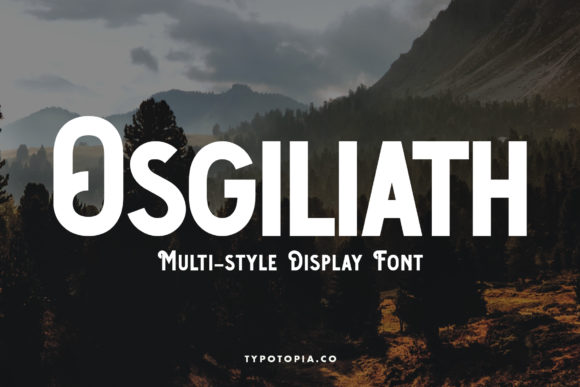
Osgiliath is a display font that stands out with its bold, simple, and chunky letterforms. Designed to command attention, it brings a dramatic flair to any visual project. Whether you're creating a logo, designing a poster, or crafting digital content, Osgiliath can serve as a powerful tool in your creative arsenal. But like any design element, its effectiveness depends on how intentionally it's used.
Understanding the Characteristics of Osgiliath
The name "Osgiliath" may evoke imagery from Middle-earth, but the font itself is rooted in modern typography. Its strong, geometric shapes and clean lines give it a sense of authority and presence. The letters are designed to be legible even at large sizes, making it ideal for headlines, titles, and other prominent text elements.
This font is not meant for long passages of body text. Instead, it shines when used sparingly to highlight key messages. Its simplicity allows it to blend well with more subtle typefaces, creating contrast without overwhelming the viewer.
Strategic Use of Osgiliath in Design Projects
When integrating Osgiliath into your design work, consider the context and purpose. It's particularly effective in projects where you want to convey strength, confidence, or a sense of importance. For example:
- Branding: Use Osgiliath for logos or taglines that need to stand out. Its boldness can help establish a memorable brand identity.
- Marketing Materials: Incorporate it in posters, flyers, or banners to draw immediate attention to your message.
- Digital Content: Apply it to headings or call-to-action buttons on websites or apps to create visual hierarchy and guide user focus.
By using Osgiliath strategically, you can enhance the impact of your communication and ensure that your most important messages are noticed and remembered.
Planning Your Typography Strategy
Before selecting Osgiliath for a project, it's essential to define your goals. Ask yourself: What do I want this design to achieve? Who is my audience? What emotions should this piece evoke?
For instance, if you're targeting a professional audience, Osgiliath can reinforce a sense of authority and reliability. However, if your brand voice is more casual or playful, this font might not align with your overall aesthetic.
Consider pairing Osgiliath with complementary fonts that provide balance. A sans-serif or serif typeface can offer readability while allowing Osgiliath to remain the focal point.
Practical Examples of Osgiliath in Action
Let’s explore some real-world scenarios where Osgiliath could be a valuable asset:
- Event Posters: Use Osgiliath for event names or dates to make them visually striking. This helps attendees quickly identify the main details.
- Product Packaging: Apply it to product names or slogans to create a bold, eye-catching presentation that stands out on store shelves.
- Presentations: Highlight key points or titles in slides with Osgiliath to emphasize their importance and maintain audience engagement.
In each case, the goal is to use Osgiliath to support the overall message rather than distract from it. Thoughtful placement ensures that the font enhances the content rather than overwhelms it.
What to Consider Before Using Osgiliath
While Osgiliath is a powerful font, it's not always the best choice. Here are some factors to keep in mind:
- Legibility: Ensure that the font remains readable at the intended size and distance. Avoid using it in small text where details may be lost.
- Contrast: Balance Osgiliath with other fonts that provide contrast. Too much boldness can create visual clutter.
- Context: Match the font with the tone and purpose of your project. It may not be suitable for every situation.
By evaluating these considerations, you can determine whether Osgiliath will be an asset or a liability in your design choices.
Risks of Using Osgiliath Without Clear Goals
Using Osgiliath randomly or without strategic intent can lead to ineffective designs. If you apply it inappropriately, you risk alienating your audience or diluting your message. For example, using it in a document filled with dense text can make the content feel chaotic and unprofessional.
To avoid these pitfalls, always align your typography choices with your communication objectives. Ask yourself: Does this font support the message I want to convey? Is it appropriate for the medium and audience?
How to Approach Osgiliath with Intention
Intentional use of Osgiliath involves careful planning and consideration. Start by defining your project's purpose and identifying the key messages you want to highlight. Then, evaluate whether Osgiliath can help amplify those messages effectively.
Once you've decided to use it, think about how to integrate it into your design. Will it be used for headings, subheadings, or specific elements? How will it interact with other design components such as colors, images, and layout?
Testing different applications of Osgiliath can also help you understand its versatility. Experiment with various sizes, weights, and pairings to find the right balance for your project.
Long-Term Value of Thoughtful Typography
Typography is often overlooked, but it plays a crucial role in shaping perception and communication. Choosing the right font can influence how your message is received and how your brand is perceived. Osgiliath, when used thoughtfully, can contribute to a consistent and impactful visual language across your projects.
Over time, intentional typography choices can build recognition and trust with your audience. Consistency in design elements, including font usage, reinforces your brand identity and makes your content more memorable.
Whether you're working on a single project or developing a long-term brand strategy, considering the role of typography—including Osgiliath—can lead to better outcomes and stronger communication.