Beauty Magnolia: A Bold and Playful Display Font for Design Projects
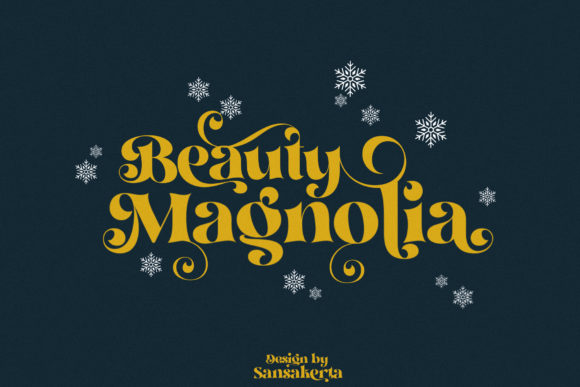
Beauty Magnolia is a bold, playful, and thick-lettered display font that brings a sense of elegance and versatility to any design project. With its striking visual appeal, this font is ideal for capturing attention in both formal and informal contexts. Whether you're designing logos, headlines, or promotional materials, Beauty Magnolia offers a unique aesthetic that can elevate your creative work.
Understanding Beauty Magnolia
Beauty Magnolia is characterized by its thick, expressive letterforms that convey confidence and creativity. The font's bold style makes it particularly effective for headlines, banners, and other elements where visual impact is essential. Its playful nature adds a touch of personality, making it suitable for a wide range of applications from branding to digital content.
The font's versatility lies in its ability to blend well with various design styles. It works effectively with both minimalist layouts and more elaborate compositions. This adaptability allows designers to use it across different platforms, including print media, web design, and social media graphics.
Reasons to Consider Beauty Magnolia
There are several compelling reasons why someone might be interested in using Beauty Magnolia. One of the primary advantages is its ability to draw attention. In an era where visual content competes for viewer engagement, having a font that stands out can make a significant difference. Beauty Magnolia’s thick, bold letters ensure that text remains legible even at smaller sizes, which is crucial for maintaining readability across various mediums.
Another benefit is the font's ease of use. Despite its bold appearance, Beauty Magnolia maintains a level of simplicity that makes it accessible to both novice and experienced designers. Its clean lines and consistent stroke widths contribute to a professional look without requiring extensive typographic knowledge.
Additionally, the font's playful nature allows for creative expression. It can be used to inject energy into otherwise traditional designs, making it a valuable tool for brands looking to establish a dynamic identity.
Benefits and Tradeoffs
One of the main benefits of using Beauty Magnolia is its ability to enhance visual hierarchy. By employing this font for headings or titles, designers can guide the viewer's eye through the content more effectively. The font's boldness ensures that important information is emphasized without overwhelming the overall design.
However, there are also some tradeoffs to consider. Because of its bold and thick lettering, Beauty Magnolia may not be the best choice for long-form text. Using it for body copy could result in a cluttered appearance and reduce readability. It is more appropriate for short, impactful statements rather than extended passages.
Another consideration is the font's compatibility with different color schemes. While it performs well against light backgrounds, using it on dark or highly saturated colors may affect legibility. Designers should test the font in various contexts to ensure it meets their specific needs.
Situations Where Beauty Magnolia Is a Strong Fit
Beauty Magnolia shines in situations where visual impact is key. For instance, it is an excellent choice for creating logos, especially for brands that want to convey strength and approachability. Its bold yet elegant style aligns well with industries such as fashion, beauty, and lifestyle, where aesthetics play a crucial role.
In digital marketing, Beauty Magnolia can be used to create eye-catching headlines for advertisements or social media posts. Its playful nature can help engage younger audiences while still maintaining a professional tone. Additionally, it is well-suited for event invitations, posters, and packaging designs where a strong visual presence is desired.
When Alternatives May Be Worth Considering
While Beauty Magnolia has many strengths, there are scenarios where alternative fonts may be more appropriate. For example, if a design requires a more refined or subtle appearance, a sans-serif or serif font might be better suited. These fonts often provide a cleaner look that is easier on the eyes for extended reading.
For projects involving a lot of body text, such as articles or reports, a more readable font would be preferable. Beauty Magnolia's thickness and boldness can make it challenging to use for long paragraphs, potentially leading to visual fatigue for readers.
Designers working within strict brand guidelines may also find that Beauty Magnolia does not align with their existing typography choices. In such cases, sticking to the established font system may be necessary to maintain consistency across all materials.
Practical Insights for Choosing Beauty Magnolia
When deciding whether to use Beauty Magnolia, it's important to evaluate the specific goals of your project. Ask yourself: Does the design require a bold, attention-grabbing element? Is the font being used for a short statement or a longer passage? Understanding these factors will help determine if Beauty Magnolia is the right fit.
Consider testing the font in different contexts before finalizing your design. Experiment with various colors, backgrounds, and spacing to see how it performs under different conditions. This practical approach will help ensure that the font enhances rather than detracts from your overall design.
Finally, think about the audience you're targeting. If your audience prefers a more modern or minimalist look, Beauty Magnolia's bold style may not be the best match. On the other hand, if you're aiming to create something vibrant and engaging, this font could be exactly what you need.