Caboo: A Chubby Lettered Display Font for Playful and Engaging Designs
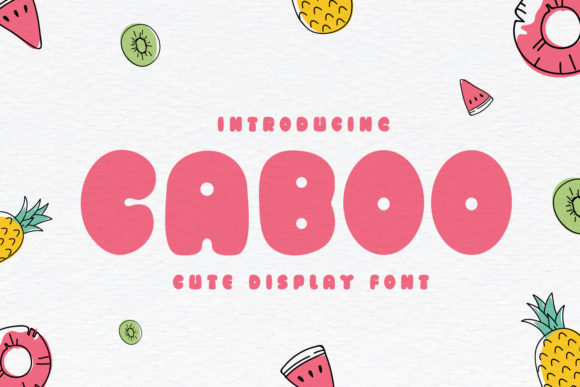
Caboo is a cute and chubby lettered display font that brings a sense of playfulness and charm to any design. Its soft curves and rounded edges make it an excellent choice for children-themed projects, branding for educational products, or anything that needs to feel friendly and approachable. Whether you're designing a birthday card, a kids' book cover, or promotional materials for a toy store, Caboo can add the perfect touch of personality.
Why Choose Caboo for Your Design Projects?
Caboo's unique style stands out in a world of sleek, modern fonts. It’s designed with a sense of warmth and whimsy that appeals to both children and adults. This makes it ideal for marketing campaigns targeting families, educational content, or creative projects that aim to capture attention through visual appeal.
The font works especially well when paired with bright colors like yellow, blue, pink, and green. These color combinations enhance the playful nature of Caboo and help create a cohesive and eye-catching design. When used effectively, Caboo can transform a simple message into something memorable and engaging.
Common Mistakes When Using Caboo
While Caboo is versatile, there are some common mistakes that designers often make when using this font. One of the most frequent errors is overusing it. Because Caboo has such a distinctive look, it can quickly become overwhelming if applied to too many elements on a page.
Mistake: Applying Caboo to every headline, body text, and button on a website or poster.
Effect: This can lead to a cluttered and unprofessional appearance, making it harder for the audience to focus on the main message.
Better Approach: Reserve Caboo for headlines, titles, or key messages. Use it sparingly and pair it with a more traditional sans-serif or serif font for body text to maintain readability and balance.
Ignoring Legibility in Smaller Sizes
Another mistake is using Caboo in smaller sizes where its chubbiness can reduce legibility. While the font looks adorable at larger sizes, it may not be as clear when scaled down.
Mistake: Using Caboo for small text like footnotes or captions.
Effect: The letters may appear blurry or difficult to read, which can diminish the overall quality of the design.
Better Approach: Always test Caboo at different sizes before finalizing your design. If necessary, consider using a complementary font for smaller text to ensure clarity and readability.
How to Avoid Common Pitfalls When Choosing Caboo
Selecting the right font for your project is crucial, and Caboo is no exception. Before deciding to use Caboo, take a moment to evaluate how it will fit into your overall design aesthetic and purpose.
Tip: Always consider the context of your design. Caboo is best suited for playful, lighthearted, or children-oriented themes. If your project requires a more serious or professional tone, Caboo may not be the best choice.
Tip: Preview Caboo with your chosen color palette. Some color combinations may clash with the font’s design, so it’s important to experiment and find the right match.
Tip: Check the licensing terms of Caboo before downloading or purchasing it. Ensure that you have the right to use it for your intended purpose, whether it's personal, commercial, or for client work.
What to Look For Before Using Caboo
- Font Pairing: Think about which fonts complement Caboo. A clean sans-serif font like Helvetica or Arial can provide a nice contrast.
- Color Contrast: Make sure the background color provides enough contrast with the font color to ensure readability.
- Typography Rules: Follow basic typography guidelines such as line spacing, letter spacing, and alignment to enhance the visual appeal of your design.
Real-World Examples of Caboo in Action
Caboo can be seen in various real-world applications. For example, a children’s book publisher might use Caboo for the title page of a new storybook. Paired with illustrations and vibrant colors, it creates a welcoming and inviting atmosphere for young readers.
A toy company might incorporate Caboo into their packaging design to attract parents and children alike. The font adds a sense of fun and excitement, making the product stand out on store shelves.
Even in digital spaces, Caboo can be used creatively. A blog focused on parenting or early childhood education might use Caboo in headlines or call-out boxes to emphasize key points in a friendly and approachable way.
Final Thoughts on Using Caboo
Caboo is a delightful and versatile font that can bring charm and character to your designs. However, like any design element, it should be used thoughtfully and strategically. By avoiding common mistakes and considering the context of your project, you can ensure that Caboo enhances rather than detracts from your message.
Whether you're a beginner or a seasoned designer, taking the time to understand how to use Caboo effectively can make all the difference in the success of your design. So go ahead—explore the possibilities and let Caboo add a little extra magic to your next project.