Tukapiloo: A Trendy Display Font for Modern Branding and Creative Projects
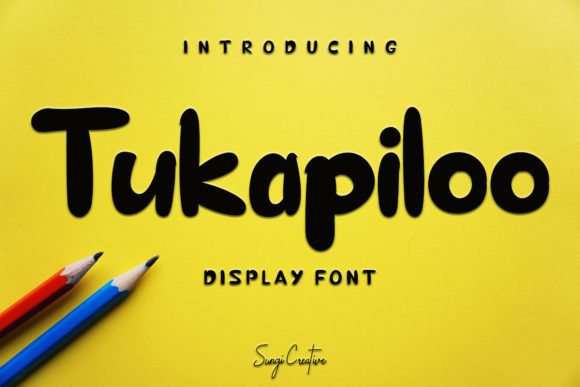
Tukapiloo is a fun and casual display font that has gained popularity among designers and creatives looking to add a modern, youthful touch to their projects. Its unique character shapes and playful style make it stand out in a crowded design landscape. Whether you're working on branding, social media content, or product packaging, Tukapiloo offers a fresh approach that can help your visuals feel more engaging and contemporary.
What Makes Tukapiloo Unique?
Tukapiloo's appeal lies in its distinctive blend of casualness and clarity. Unlike some display fonts that prioritize ornate details over readability, Tukapiloo maintains a clean and legible structure while still exuding a sense of fun. This balance makes it particularly well-suited for use in headlines, logos, and other prominent text elements where both visual impact and clarity are important.
The font features rounded edges and subtle variations in stroke weight that give it a soft, approachable look. These characteristics make it ideal for projects targeting younger audiences or those with a more relaxed, lifestyle-oriented brand identity. The overall aesthetic feels modern without being overly complex, which helps it fit into a wide range of design contexts.
Comparing Tukapiloo with Other Display Fonts
When considering display fonts, it's important to evaluate how each one aligns with specific design goals. Tukapiloo compares favorably to other similar fonts in several key areas:
- Readability: While many display fonts sacrifice legibility for style, Tukapiloo manages to maintain good readability even at smaller sizes. This makes it a versatile choice for various applications beyond just large-scale headlines.
- Versatility: Tukapiloo works well across multiple mediums, including digital platforms like websites and social media, as well as print materials such as packaging and labels. Its adaptability allows it to be used in both minimalist and more elaborate design schemes.
- Visual Appeal: The font’s friendly and approachable appearance sets it apart from more formal or traditional typefaces. It brings a sense of energy and personality to any project, making it especially effective for brands aiming to convey a modern or trendy image.
However, there are also tradeoffs to consider. For instance, Tukapiloo may not be the best choice for projects requiring a highly professional or formal tone. In such cases, a more structured and elegant font might be more appropriate. Additionally, while Tukapiloo is visually appealing, it may not offer the same level of customization as some premium font families that include multiple weights and styles.
Best-Fit Situations for Tukapiloo
Tukapiloo shines in scenarios where a casual yet stylish font is needed. Here are some examples of where it excels:
- Branding Projects: Tukapiloo can be an excellent choice for creating logos or brand identities that want to communicate a fun, approachable vibe. Its playful nature can help establish a connection with target audiences who appreciate a more laid-back aesthetic.
- Social Media Posts: Given the informal and dynamic nature of social media, Tukapiloo is well-suited for captions, hashtags, and promotional content. It adds a layer of personality that can make posts more engaging and shareable.
- Product Packaging: When designing product packaging, Tukapiloo can contribute to a visually appealing layout that stands out on store shelves. Its clean lines and friendly appearance can attract attention without overwhelming the viewer.
- Watermarks and Photography: Using Tukapiloo as a watermark or in photo captions can add a touch of creativity and uniqueness to visual content. Its light and airy feel complements photography in a way that feels natural and unobtrusive.
In these situations, Tukapiloo provides a balance between style and functionality, allowing designers to create visually compelling content without compromising on clarity or professionalism.
When to Consider Alternatives
While Tukapiloo is a great option for many creative projects, there are instances where another font might be more suitable. For example, if a project requires a more serious or sophisticated tone, a font with a more refined or traditional look would be better suited. Similarly, for long-form text or body copy, a sans-serif or serif font designed for readability would be more appropriate than a display font like Tukapiloo.
Designers should also consider the context in which the font will be used. If the project involves a lot of technical or academic content, a font with a more neutral and professional appearance might be preferable. In such cases, exploring alternatives within the display font category—such as fonts with a more structured or geometric style—could yield better results.
Evaluating Tukapiloo for Your Needs
Before deciding whether Tukapiloo is the right choice for your project, it's important to evaluate several factors. Consider the following questions:
- What is the primary goal of the project? Is it to grab attention, convey a message, or build a brand identity?
- Who is the target audience? Does the font's style align with their preferences and expectations?
- How will the font be used? Will it be for headlines, body text, or something else?
- Are there any specific design constraints or requirements that need to be met?
By answering these questions, you can determine whether Tukapiloo is the best fit or if another font would serve your needs more effectively. It's always a good idea to test different fonts in the context of your project to see which one feels most natural and impactful.
Tukapiloo offers a unique combination of style and versatility that makes it a valuable addition to any designer's toolkit. Whether you're working on a branding campaign, social media strategy, or product packaging, this font can help bring your vision to life in a way that feels fresh and modern. As with any design choice, it's important to consider the specific needs of your project and choose a font that enhances rather than detracts from your overall message.