Quero: A Unique Display Font for Creative Projects
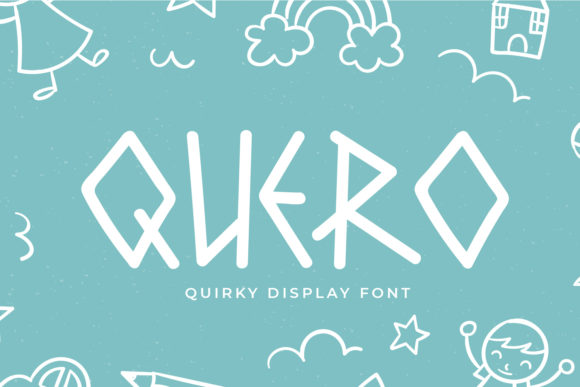
Quero is a display font that stands out with its distinctive design, making it a compelling choice for those looking to add personality and visual interest to their creative projects. Whether you're designing a letterhead, crafting a title, or working on stationery, Quero offers a fresh and eye-catching approach to typography. Its unique characteristics set it apart from more conventional fonts, providing users with an opportunity to make a bold statement through text.
What Makes Quero Distinct?
Quero is defined by its original look, which blends elements of both modern and traditional typography. The font features exaggerated serifs and a slightly irregular structure that gives it a handcrafted feel. This makes it particularly well-suited for projects that require a touch of individuality and character. Unlike many other display fonts that can appear overly stylized or difficult to read, Quero maintains a balance between uniqueness and legibility.
The font's versatility is another key factor that contributes to its appeal. It works well in both large and small sizes, allowing it to be used across a wide range of applications. From headlines that demand attention to subtle accents in a larger body of text, Quero adapts to various contexts without losing its distinctiveness.
Design Elements That Set Quero Apart
- Exaggerated Serifs: The prominent serifs give Quero a classic yet unconventional appearance, distinguishing it from more minimalist display fonts.
- Irregular Structure: The slight irregularity in the letterforms adds a handcrafted quality, making each character feel unique and expressive.
- Legibility at Various Sizes: Despite its bold design, Quero remains readable even when scaled down, making it suitable for a variety of uses.
Comparing Quero with Similar Fonts
When considering display fonts, it's important to evaluate how they compare in terms of style, usability, and overall impact. While there are many display fonts available, few offer the same combination of uniqueness and readability as Quero. Fonts like Bauhaus 93 or Gilroy are often chosen for their strong visual presence, but they may lack the subtle intricacies that make Quero stand out.
For instance, Bauhaus 93 is known for its geometric shapes and clean lines, which can be effective for certain types of branding but may not provide the same level of character as Quero. On the other hand, Gilroy offers a more dramatic look with its thick strokes and sharp edges, but this can sometimes make it less versatile in different contexts.
Quero’s ability to maintain legibility while still offering a visually engaging design makes it a strong contender for those seeking a font that balances creativity with practicality. It provides an alternative to more common display fonts without sacrificing readability or aesthetic appeal.
When to Choose Quero Over Other Options
- For Projects Requiring a Unique Touch: If your project needs a font that stands out without being overwhelming, Quero is an excellent choice. It adds personality to any design while remaining professional.
- When Legibility Matters: Unlike some display fonts that become difficult to read at smaller sizes, Quero retains clarity, making it suitable for use in titles, headings, and even body text in specific cases.
- To Achieve a Handcrafted Look: The irregular structure of Quero gives it a handcrafted appearance, which can be especially appealing for stationery, invitations, or other artisanal projects.
Strengths and Limitations of Quero
No font is perfect for every situation, and Quero is no exception. Understanding its strengths and limitations can help you determine whether it's the right fit for your needs.
Strengths:
- Versatility: Quero can be used in a wide range of applications, from logos and headlines to packaging and promotional materials.
- Unique Aesthetic: Its distinctive design allows it to make a strong visual impact, setting your work apart from others.
- Readability: Despite its bold and stylized appearance, Quero remains legible at various sizes, making it a practical choice for many design scenarios.
Limitations:
- Not Ideal for Long Text: Due to its stylized nature, Quero may not be the best choice for large blocks of text where readability is crucial.
- May Require Customization: In some cases, you may need to adjust spacing or kerning to achieve the desired effect, especially when using it alongside other fonts.
- Limited Character Set: Depending on the version you choose, Quero may have a limited set of characters or language support, which could be a consideration for multilingual projects.
Best-Fit Situations for Using Quero
Quero shines in situations where a unique and memorable visual identity is essential. Some of the best-fit scenarios include:
- Letterheads and Business Cards: The font's distinctive look can help create a strong first impression, making it ideal for professional correspondence.
- Titles and Headlines: Whether for websites, magazines, or presentations, Quero adds visual interest to titles without compromising clarity.
- Stationery and Invitations: Its handcrafted feel makes it a great choice for wedding invitations, thank-you cards, and other personal stationery items.
- Branding Materials: For logos, packaging, or promotional materials, Quero can help establish a brand identity that stands out from the competition.
Practical Examples and Comparisons
To better understand how Quero compares to other display fonts, consider the following examples:
Example 1: Letterhead Design
Imagine creating a letterhead for a boutique design studio. Using a standard sans-serif font might be too generic, while a highly stylized script font could be difficult to read. Quero offers a middle ground—it adds a touch of elegance and individuality without sacrificing legibility. This makes it an ideal choice for a letterhead that needs to be both professional and visually engaging.
Example 2: Website Headlines
For a website that focuses on creative writing or publishing, the headline needs to grab attention while remaining easy to read. A font like Quero would provide the necessary visual impact, ensuring that visitors are immediately drawn to the content.
Example 3: Wedding Invitations
Wedding invitations often require a font that feels personal and meaningful. Quero’s handcrafted look aligns well with this need, offering a sense of charm and individuality that complements the occasion.
Decision Factors When Choosing Quero
Before deciding whether Quero is the right font for your project, consider the following factors:
- Purpose of the Project: Is the goal to create a bold visual statement or to ensure maximum readability? Quero is best suited for projects that prioritize visual appeal without compromising clarity.
- Audience: Consider who will be viewing the final product. If the audience includes professionals or individuals who value clear communication, Quero may be more appropriate than a highly stylized font.
- Design Context: Think about how Quero will interact with other design elements, such as colors, images, and layouts. It should complement rather than compete with these elements.
By carefully evaluating these factors, you can determine whether Quero is the best choice for your needs or if another font might be more suitable. Ultimately, the right font depends on the specific requirements of your project and the message you want to convey through your design.