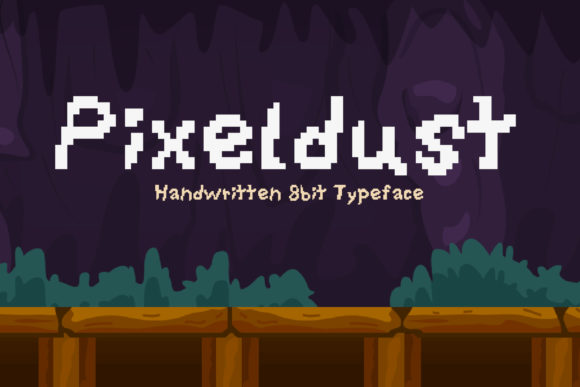
Pixeldust: A Unique Pixel Display Font for Creative and Digital Projects
In the ever-evolving world of digital design, typography plays a crucial role in shaping user experience and visual appeal. Among the many fonts available, Pixeldust stands out as a unique pixel display font that brings a retro charm to modern interfaces. Whether you're designing mobile apps, video games, or retro-inspired websites, Pixeldust offers endless possibilities that cater to both creative and functional needs.
What is Pixeldust?
Pixeldust is a pixel display font designed to mimic the look of early computer graphics from the 8-bit and 16-bit eras. Each character is composed of blocks of color, much like the pixelated visuals seen in classic video games and arcade machines. This nostalgic aesthetic has made it a popular choice among designers who want to evoke a sense of retro nostalgia while maintaining a clean and readable typeface.
The font's name, "Pixeldust," reflects its grainy, textured appearance, which gives it a distinctive feel compared to other pixel fonts. It's not just about looking old; it's about creating an emotional connection with the audience through familiar visual cues.
Why Choose Pixeldust?
- Retro Aesthetic: The font's pixelated style instantly transports users to the golden age of gaming and computing.
- Versatility: From app interfaces to game titles, Pixeldust can be used in various contexts without losing its identity.
- Readability: Despite its blocky appearance, Pixeldust maintains legibility even at smaller sizes, making it suitable for digital screens.
- Creativity: Designers can customize the font to fit their project's theme, adding a personal touch to their work.
Applications of Pixeldust
The versatility of Pixeldust makes it an excellent choice for multiple applications. Let's explore some of the most common uses where this font shines.
Mobile App Design
In mobile app design, typography plays a vital role in guiding user interaction. Pixeldust can be used for buttons, headings, and interface elements that require a playful yet functional look. For example, a productivity app might use Pixeldust to create a retro-themed calendar or task list, giving users a refreshing change from standard sans-serif fonts.
Additionally, using a pixel font like Pixeldust can help differentiate your app from competitors, especially if you're targeting a niche market that appreciates vintage aesthetics.
Video Games and Game Development
If you're into game development, Pixeldust is a must-have in your toolkit. Its pixelated style aligns perfectly with indie games that aim to recreate the feel of classic arcade games. Developers often use this font for titles, menus, and in-game text to maintain consistency with the game's overall theme.
For instance, a platformer game set in a futuristic city could use Pixeldust for UI elements, blending retro and futuristic elements in a visually appealing way. The font's readability ensures that players can easily read instructions, scores, and other important information without distractions.
Retro Design Projects
Designers working on retro-themed projects, such as posters, logos, or website templates, can benefit greatly from using Pixeldust. The font adds authenticity to designs that aim to capture the essence of past decades. Whether you're creating a logo for a vintage record store or designing a poster for a retro festival, Pixeldust provides a unique visual element that stands out.
Moreover, the font's simplicity allows for easy integration with other retro design elements like pixel art, CRT filters, and analog textures, enhancing the overall aesthetic of the project.
How to Use Pixeldust Effectively
While Pixeldust is a versatile font, using it effectively requires some consideration. Here are a few tips to ensure that your design looks polished and professional.
Balance and Contrast
When using a pixel font like Pixeldust, it's essential to balance it with other design elements. Pairing it with a more modern sans-serif font can create a nice contrast, especially in hybrid designs that blend retro and contemporary styles. For example, using Pixeldust for headings and a sleek sans-serif font for body text can make your design more readable and visually engaging.
Color and Background
The color of the font and the background play a significant role in how Pixeldust appears. Since the font has a pixelated texture, it works best on solid backgrounds rather than busy or patterned ones. Choosing high-contrast colors, such as white on black or black on white, can enhance readability and make the text stand out.
Font Size and Spacing
Although Pixeldust is designed to be readable, the size and spacing of the text can affect its legibility. Using it for small text may result in a cluttered appearance, so it's best reserved for headings, titles, and short phrases. Proper line spacing and letter spacing can also improve the overall look and make the text easier to read.
Common Misconceptions About Pixel Fonts
Despite its popularity, there are still some misconceptions about pixel fonts like Pixeldust. One common belief is that they are only suitable for retro-themed projects. While they do excel in that area, their versatility allows them to be used in modern contexts as well.
Another misconception is that pixel fonts are difficult to read. In reality, when used appropriately, they can be just as legible as any other font. The key is to use them in the right context and pair them with complementary design elements.
Conclusion
Pixeldust is more than just a font—it's a creative tool that can transform your digital projects with its unique pixelated style. Whether you're designing a mobile app, developing a video game, or working on a retro-themed design, Pixeldust offers endless possibilities that can elevate your work.
By understanding its strengths and limitations, you can use Pixeldust effectively to create designs that are both visually appealing and functionally sound. So why not give it a try? Explore its potential and see how it can add a new dimension to your creative projects.