The Rise of Funnygo: A Playful Font for a Playful World
In the ever-evolving landscape of design and digital creativity, one element has quietly taken center stage: Funnygo. This cute and quirky display font is capturing the attention of professionals, creators, entrepreneurs, marketers, freelancers, and enthusiasts alike. While it may seem like just another typeface, Funnygo represents a broader shift in how we communicate visually in today's fast-paced, digitally driven world.
What Exactly Is Funnygo?
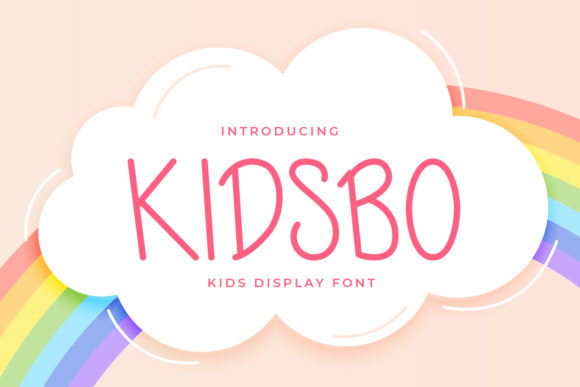
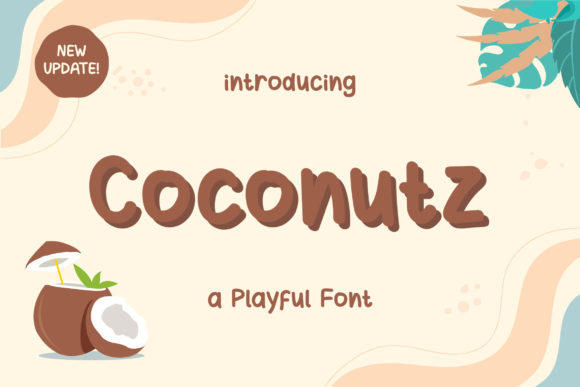
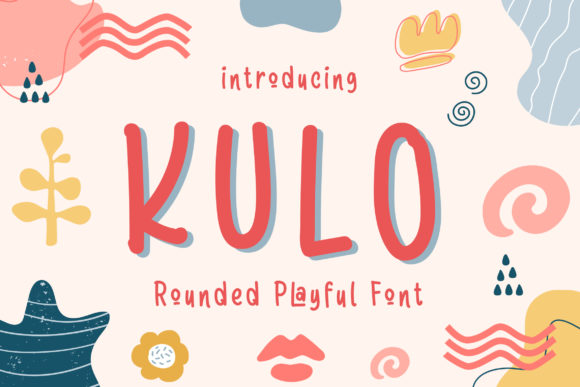
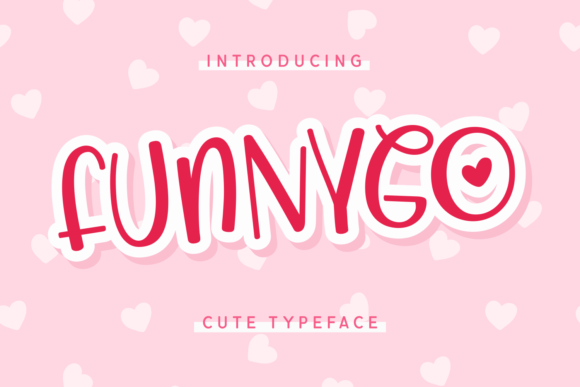
Funnygo is a display font known for its whimsical, childlike charm. Its rounded shapes, playful curves, and exaggerated features make it instantly recognizable. Designed with an eye for fun, this font exudes a sense of joy and approachability that resonates across multiple industries. It’s not just about aesthetics—it’s about emotion.
At first glance, Funnygo might seem like a font best suited for children's books or party invitations. However, its appeal extends far beyond that niche. With its bold personality and vibrant visual impact, Funnygo is being embraced by brands looking to inject a sense of playfulness into their identities, from startups to established corporations.
Funnygo in the Broader Creative Industry
The creative industry is undergoing a transformation. As consumers become more conscious of the emotional value behind branding, there is a growing demand for visual elements that resonate on a personal level. In this context, fonts like Funnygo are not just tools—they're expressions of brand identity.
Consider the rise of experience-driven marketing. Brands are no longer competing solely on product quality but on the experiences they create. Funnygo fits perfectly into this trend. It allows designers to craft visuals that feel warm, inviting, and emotionally engaging—qualities that are increasingly valued in customer interactions.
Moreover, as remote work and digital collaboration become the norm, the need for clear, expressive communication has never been higher. Funnygo helps bridge the gap between text and emotion, making digital content more relatable and memorable.
Why People Are Paying Attention to Funnygo
The attention Funnygo is receiving isn’t random. It aligns with several key trends shaping modern design and consumer behavior:
- Emotional Branding: Consumers are drawn to brands that reflect their values and emotions. Funnygo brings warmth and humor into the equation, making it ideal for brands aiming to connect on a deeper level.
- Diversity in Design: The design world is embracing inclusivity and diversity. Fonts like Funnygo contribute to this movement by offering fresh, unconventional choices that cater to a wide range of audiences.
- Visual Storytelling: With the rise of social media and short-form content, visual storytelling is more important than ever. Funnygo adds a layer of personality and character to text, enhancing the narrative potential of any design.
These factors are driving increased interest in Funnygo, especially among creatives who want to stand out in a crowded market. Whether it's used in web design, print media, or digital campaigns, Funnygo offers a unique way to capture attention without sacrificing professionalism.
How Funnygo Fits Into Changing Workflows and Expectations
Modern workflows are more dynamic than ever. Designers, marketers, and entrepreneurs are constantly adapting to new tools, platforms, and audience expectations. In this environment, having a font that can quickly convey tone and emotion is a significant advantage.
Funnygo’s versatility makes it suitable for various applications. For instance, a startup launching a new app might use Funnygo in their landing page headlines to create a friendly, approachable vibe. Similarly, a marketing team promoting a wellness product could leverage Funnygo to evoke a sense of positivity and care.
Additionally, the font’s compatibility with bright colors enhances its appeal. In a world where color psychology plays a crucial role in branding, Funnygo provides a foundation for creating visually striking designs that also carry emotional weight.
Practical Examples of Funnygo in Action
Let’s take a look at some real-world examples of how Funnygo is being used effectively:
- Educational Platforms: Online learning platforms often use Funnygo in their branding to make education feel less intimidating and more engaging for younger audiences.
- Health and Wellness Brands: Companies in the wellness space have adopted Funnygo to create a sense of optimism and energy in their promotional materials.
- Children’s Products: Naturally, Funnygo shines in children's-themed designs, from toy packaging to storybook illustrations, where its playful nature aligns perfectly with the target demographic.
- Event Marketing: Event organizers use Funnygo in posters, banners, and digital ads to create a lively atmosphere that encourages participation.
These examples highlight how Funnygo isn't just a font—it's a tool that helps shape the overall experience of a brand or campaign.
Connecting Funnygo to Larger Developments
The popularity of Funnygo reflects a larger cultural shift toward authenticity and emotional connection in design. As consumers become more discerning, they seek out brands that don’t just sell products but tell stories and evoke feelings. In this context, Funnygo serves as a powerful vehicle for expressing personality and emotion through typography.
Furthermore, the rise of AI and automation in design has led to a greater emphasis on human touch. Fonts like Funnygo help maintain that human element, ensuring that even in an era of machine-generated content, there is still room for creativity and individuality.
As the design industry continues to evolve, the role of typography will only become more significant. Funnygo is a testament to how a single font can influence the way we communicate, connect, and create in both professional and personal contexts.
Whether you're a designer looking to add a splash of personality to your next project or a marketer seeking to build stronger connections with your audience, Funnygo offers a compelling solution. It’s more than just a font—it’s a statement, a mood, and a message all rolled into one.