Kidsbo: A Playful Font for Children-Themed Designs
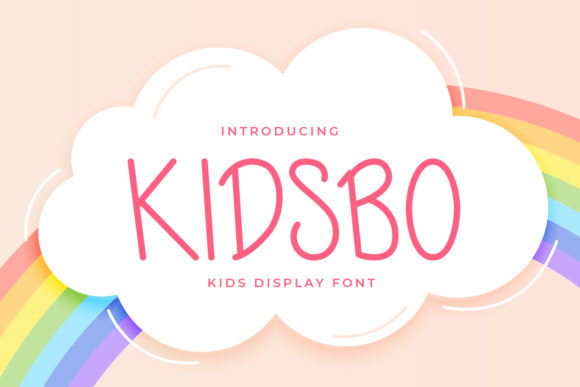
Kidsbo is a fun, quirky, and neat display font that has gained popularity among designers working on children-themed projects. Its unique character shapes and playful style make it an excellent choice for creating visually engaging content aimed at young audiences. Whether you're designing a birthday invitation, educational material, or promotional content for a kids' brand, Kidsbo offers a distinctive typographic solution that stands out from more traditional fonts.
What Makes Kidsbo Unique?
Kidsbo is designed with a focus on simplicity and charm. Each letter features rounded edges and a friendly appearance that evokes a sense of playfulness. This makes it particularly well-suited for projects that aim to capture the attention of children while maintaining a clean and approachable look. The font's design also ensures readability even at smaller sizes, which is crucial for text-heavy designs like storybooks or educational worksheets.
One of the standout features of Kidsbo is its versatility. It can be used in both digital and print formats, making it a practical choice for a wide range of applications. From websites and social media graphics to posters and packaging, Kidsbo adapts well to different mediums and contexts.
Comparing Kidsbo with Other Display Fonts
When considering display fonts for children-themed designs, several options come to mind. Fonts like Comic Sans MS, KG Primary Penmanship, and Bubblegum Sans are often used for similar purposes. However, each has its own set of characteristics that may or may not align with the needs of a particular project.
Comic Sans MS, for instance, is widely recognized but often criticized for being overused and unprofessional in certain contexts. While it is undeniably playful, it may not always convey the same level of neatness and clarity that Kidsbo offers. On the other hand, Bubblegum Sans is another popular choice for children's content, known for its soft, bubbly appearance. However, it tends to be more stylized and less readable in extended text compared to Kidsbo.
KG Primary Penmanship brings a handwritten feel to children's designs, which can be appealing for more personal or educational materials. However, it lacks the uniformity and polish that Kidsbo provides, making it less suitable for professional or commercial use where consistency is key.
Strengths and Tradeoffs
The primary strength of Kidsbo lies in its balance between playfulness and professionalism. It manages to maintain a child-friendly aesthetic without sacrificing readability or visual appeal. This makes it ideal for situations where the goal is to engage young audiences while still presenting information clearly and effectively.
However, like many display fonts, Kidsbo may not be the best choice for large blocks of text. Its design is optimized for headlines, titles, and short phrases rather than body copy. For longer texts, pairing Kidsbo with a more conventional sans-serif or serif font can help maintain a cohesive and legible layout.
Best-Fit Situations for Kidsbo
Kidsbo shines in scenarios where a whimsical yet structured visual identity is needed. Here are some specific use cases where this font excels:
- Birthday Invitations and Party Materials: The playful nature of Kidsbo makes it perfect for creating invitations and decorations that are both eye-catching and easy to read.
- Children's Books and Educational Resources: When designing books or learning materials for young readers, Kidsbo helps create a friendly and inviting atmosphere without compromising clarity.
- Branding for Kids' Products: Whether it's a toy brand, clothing line, or educational app, Kidsbo can be used to reinforce a brand's playful and approachable image.
- Social Media Graphics and Digital Content: The font's adaptability to digital formats makes it a great choice for creating engaging content on platforms like Instagram, Facebook, and YouTube.
In each of these scenarios, the combination of Kidsbo with bright colors and other child-friendly design elements can enhance the overall impact of the project.
When to Consider Alternatives
While Kidsbo is an excellent option for many children-themed designs, there may be situations where another font would be more appropriate. For example, if a project requires a more formal tone or a broader audience range, a more neutral and versatile font might be preferable.
Additionally, if the design involves a lot of text or requires high levels of customization, such as variable weights or styles, it's worth exploring other fonts that offer more extensive typographic features. In such cases, fonts like Quicksand or Open Sans could provide a good alternative, especially when paired with a playful display font for headings.
It's also important to consider the technical requirements of the project. If the design needs to be accessible to users with visual impairments, ensuring that the chosen font maintains sufficient contrast and readability becomes a priority. In these instances, consulting accessibility guidelines and testing the font across different devices and screen sizes can help determine the best fit.
Practical Tips for Using Kidsbo Effectively
To get the most out of Kidsbo, consider the following tips:
- Use It Sparingly: Since Kidsbo is a display font, it works best when used for headlines, titles, or call-to-action buttons rather than large blocks of text.
- Pair It with Complementary Fonts: Combining Kidsbo with a more readable font for body text can help maintain a balanced and professional look.
- Experiment with Color: Bright, vibrant colors work exceptionally well with Kidsbo, enhancing its playful nature and making it stand out in any design.
- Test Across Devices: Ensure that Kidsbo renders well on different screen sizes and resolutions, especially if the design will be viewed on mobile devices.
By keeping these considerations in mind, designers can leverage the strengths of Kidsbo while avoiding potential pitfalls associated with using display fonts inappropriately.
In conclusion, Kidsbo is a valuable addition to any designer's toolkit, especially for projects targeting young audiences. Its unique blend of playfulness and clarity makes it a versatile choice that can enhance the visual appeal of various design elements. As with any font, however, it's important to evaluate the specific needs of the project and choose the right tool for the job.