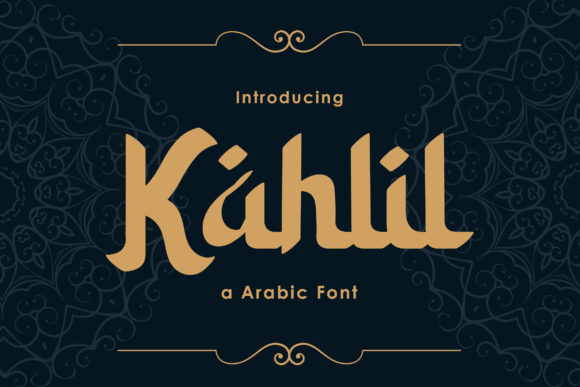
Kahlil: A Unique Display Font with a Middle-Eastern Feel
Kahlil is more than just a font—it's a visual statement. With its clean, slightly quirky design and unmistakable Middle-Eastern flair, it stands out in a sea of generic typefaces. Whether you're crafting a logo, designing branding materials, or working on a creative DIY project, Kahlil offers a fresh and distinctive option that can elevate your work.
But like any tool, Kahlil comes with its own set of considerations. Choosing the right font for your needs isn't always straightforward, and there are common pitfalls to avoid. Let's explore what makes Kahlil special and how to use it effectively without falling into typical mistakes.
What Is Kahlil?
Kahlil is a display font that draws inspiration from traditional Arabic calligraphy but adapts it into a modern, legible format. Its unique curves and balanced structure give it a sense of elegance while maintaining a playful edge. This combination makes it ideal for headlines, logos, and other design elements where visual impact matters most.
The font’s Middle-Eastern feel adds cultural richness and authenticity to any project. It’s particularly well-suited for brands aiming to connect with audiences in the Middle East or those looking to infuse their designs with an exotic, artistic touch.
Why People Are Interested in Kahlil
Designers and creators are drawn to Kahlil because of its versatility and aesthetic appeal. It works well across various mediums—from print to digital—and can be adapted to different styles and color schemes. Its quirky nature also allows for creative expression, making it a favorite among those who want to stand out.
Entrepreneurs and small business owners often choose Kahlil for branding purposes because it helps establish a memorable identity. Bloggers and content creators appreciate its readability when used as a headline font, while educators and freelancers may find it useful for creating visually engaging presentations or marketing materials.
Common Mistakes When Using Kahlil
While Kahlil is a powerful tool, using it incorrectly can lead to subpar results. Here are some common mistakes to watch out for:
- Overusing Kahlil: While Kahlil is eye-catching, using it too frequently can make your design look cluttered or unprofessional. Reserve it for headings and key visual elements rather than body text.
- Ignoring Readability: Kahlil is a display font, which means it’s not optimized for long passages of text. Using it for large blocks of content can reduce readability and frustrate readers.
- Mismatching with Other Fonts: Pairing Kahlil with incompatible fonts can create a jarring visual effect. Choose complementary fonts that share similar stylistic traits or balance Kahlil with simpler, more legible sans-serif fonts.
- Not Checking Licensing: Before downloading or purchasing Kahlil, ensure that you understand the licensing terms. Some fonts require attribution or have restrictions on commercial use.
- Using It Inappropriately: Kahlil’s Middle-Eastern aesthetic may not suit all contexts. Be mindful of cultural sensitivities and ensure that its use aligns with your brand’s values and audience expectations.
How These Mistakes Can Impact Your Work
Each of these mistakes can affect the overall quality and effectiveness of your design. Overusing Kahlil might dilute its impact, while ignoring readability could turn off potential customers or readers. Mismatched fonts can create a disjointed look, and improper licensing can lead to legal issues down the line.
Choosing the wrong font for the context can also damage your brand’s credibility. If Kahlil doesn’t fit your message or audience, it can confuse viewers and weaken your communication.
Practical Advice for Using Kahlil Effectively
To get the best results from Kahlil, follow these practical tips:
- Use It Sparingly: Apply Kahlil to headlines, titles, and key phrases rather than entire paragraphs. This ensures that it remains impactful without overwhelming your design.
- Pair It Wisely: Combine Kahlil with a clean, readable font for body text. For example, pairing it with Helvetica or Arial can create a balanced and professional look.
- Check Licensing Terms: Always read the font license carefully before using Kahlil in a commercial project. If necessary, invest in a premium version that includes full commercial rights.
- Consider Cultural Context: Ensure that Kahlil’s use aligns with your brand’s image and the expectations of your target audience. Avoid using it in situations where it might be misinterpreted or seen as inappropriate.
- Test It Across Platforms: Preview Kahlil on different devices and screen sizes to ensure it looks good everywhere. Adjust sizing and spacing as needed to maintain clarity and consistency.
Realistic Examples and Better Approaches
Imagine you're designing a website for a new boutique selling handmade jewelry. You decide to use Kahlil for your site’s header and product titles. Instead of applying it to every section, you pair it with a simple sans-serif font for the rest of the content. This approach keeps the design cohesive while allowing Kahlil to shine as a focal point.
Another example: a blogger writing about travel experiences in the Middle East uses Kahlil for their blog title and featured posts. They avoid using it in the body of their articles, ensuring that the text remains easy to read while still capturing the essence of their theme.
What to Check Before Making a Decision
Before deciding to use Kahlil, consider the following factors:
- Is Kahlil appropriate for your brand’s voice and message?
- Will it be used for print or digital media? Some fonts render differently on screens versus paper.
- Do you need a free or paid version of the font? Some versions may have limitations.
- Are there any compatibility issues with your design software or platform?
- Does the font support the languages and characters you need for your project?
By addressing these questions upfront, you can avoid unnecessary complications and ensure that Kahlil enhances rather than hinders your work.
In summary, Kahlil is a versatile and stylish font that can add a unique touch to your designs. However, using it wisely requires careful consideration and planning. By avoiding common mistakes and following best practices, you can unlock its full potential and create stunning, professional-looking projects that stand out from the crowd.