Hook Font: A Dynamic Display Font for Headlines and Branding
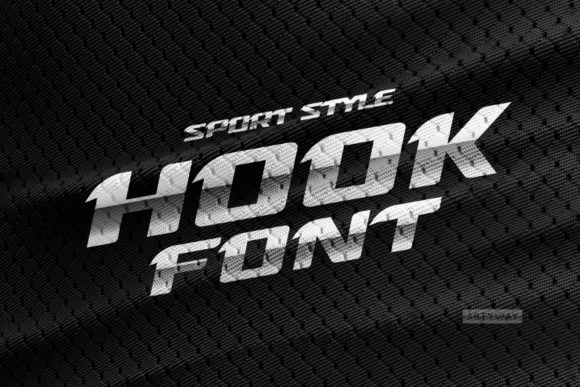
The Hook font is a striking display typeface that brings energy, boldness, and visual impact to any design. With its dynamic effect and sharp corners, it stands out as a versatile tool for designers, marketers, and creators looking to make a strong first impression. Whether you're working on headlines, posters, logos, or monograms, Hook offers a modern aesthetic that aligns with high-impact visual communication.
Designed with clarity and strength in mind, Hook is ideal for projects where readability and visual dominance are essential. Its clean lines and geometric structure allow it to remain legible even at smaller sizes while still maintaining the bold presence needed for attention-grabbing headlines. This makes it particularly useful in environments such as sports events, automotive marketing, gym promotions, and brand identity work.
Understanding the Role of Hook in Design Workflows
When considering the use of Hook in your design workflow, it's important to understand how it interacts with other elements. As a display font, Hook is best suited for short, impactful text rather than long paragraphs. It works well when paired with more readable body fonts, allowing the main message to be both visually engaging and easy to digest.
Incorporating Hook into your workflow begins with identifying the right use case. For example, if you're designing a poster for a fitness event, Hook can serve as the headline font, drawing immediate attention to the event name or tagline. When used in this context, Hook complements the energetic theme of the event, reinforcing the message through typography.
Before finalizing your design, consider how Hook will look across different platforms and media. Since it’s a display font, it may not render consistently across all devices or screen resolutions. Testing it on various formats—print, web, mobile—is an essential step in ensuring that the font maintains its intended impact.
Practical Applications of Hook in Real-World Projects
Hook finds its place in a wide range of real-world applications. One of the most common uses is in headlines for digital and print media. Whether it's a blog post, magazine article, or website banner, Hook adds a sense of urgency and strength to the content. Its sharp angles and dynamic feel are especially effective for news headlines or promotional materials that require immediate attention.
For event branding, Hook can be used to create eye-catching posters or banners for sports events, car shows, or fitness competitions. The font's aggressive style matches the intensity of these events, helping to build excitement and anticipation among the audience.
Another area where Hook shines is in logo and monogram design. Its geometric structure allows for creative variations that can be tailored to fit a brand's personality. Whether you're designing a logo for a luxury automotive brand or a high-end fitness studio, Hook provides a strong foundation that can be adapted to reflect the brand's identity.
Designers can also use Hook in social media graphics and ad campaigns to ensure that their messages stand out in crowded feeds. Given the short attention spans of online audiences, using a bold and dynamic font like Hook helps capture interest quickly and effectively.
Integrating Hook Into Your Design Process
Integrating Hook into your design process requires thoughtful planning. Begin by assessing the project's goals and determining whether a display font like Hook is the best choice. If the goal is to draw attention to a headline or call-to-action, Hook is an excellent option. However, if the project requires extensive body text, it's better to pair Hook with a more readable font.
Once you've decided to use Hook, consider how it will interact with other design elements. For instance, if you're creating a poster with a dark background, using a lighter version of Hook can enhance contrast and readability. Conversely, if the background is light, a darker variant of the font may be more appropriate.
It's also important to maintain consistency throughout the design. If Hook is used for headlines, try to keep the same stylistic approach for subheadings and other key text elements. This ensures that the overall design remains cohesive and professional.
When working digitally, make sure that Hook is properly embedded or linked in your project files. This ensures that the font displays correctly across different devices and platforms. If you're using Hook in a web-based project, consider using web-safe alternatives or embedding the font via Google Fonts or similar services.
Workflow Tips for Using Hook Effectively
To get the most out of Hook, follow these practical workflow tips:
- Start with a clear purpose: Before selecting Hook, define what you want the font to achieve in your design. Is it to grab attention? Convey strength? Or simply add visual interest?
- Test it in context: Always test Hook in the actual environment where it will be used. How does it look on a mobile screen versus a desktop monitor? Does it hold up in print?
- Pair it wisely: Use Hook alongside a complementary font that enhances readability without competing for attention. This is especially important for longer texts or multi-line headlines.
- Experiment with weights and styles: Hook may come in multiple weights (light, regular, bold) and styles (italic, condensed). Experimenting with these options can help you find the perfect match for your project.
- Consider accessibility: While Hook is visually striking, ensure that it doesn't compromise readability for users with visual impairments. Avoid using it for small text or in low-contrast settings.
By following these steps, you can ensure that Hook is used effectively and efficiently in your design projects. It's not just about choosing a bold font—it's about making strategic decisions that align with your design goals and audience needs.
Long-Term Use and Quality Control
When using Hook in long-term projects or ongoing branding efforts, it's important to maintain consistency and quality control. Establishing a set of guidelines for how Hook should be used across different platforms and media can help ensure that your brand's visual identity remains cohesive over time.
Regularly review how Hook is being used in your designs. Are there instances where it might be misused or where it doesn't fit the context? By conducting periodic reviews, you can catch issues early and make adjustments as needed.
Additionally, stay updated on new versions or variations of Hook that may be released. Type foundries often update their fonts to improve performance, compatibility, or aesthetics. Keeping your font library current ensures that you're always working with the best tools available.
Finally, don't hesitate to seek feedback from peers or clients when using Hook in high-stakes projects. Getting a fresh perspective can help you identify potential issues and refine your approach before finalizing the design.
With careful planning and thoughtful execution, Hook can become a powerful asset in your design toolkit. Whether you're creating headlines, posters, logos, or social media graphics, this dynamic font offers a unique way to elevate your visual communication and leave a lasting impression on your audience.