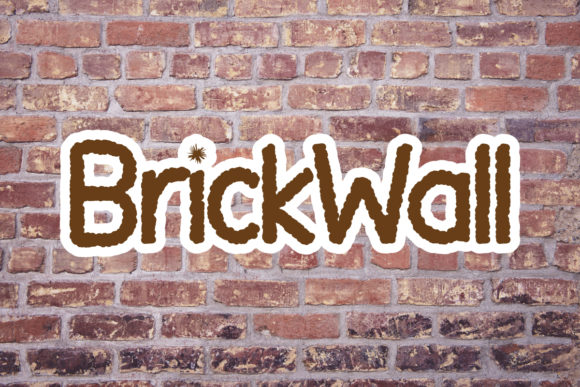
Brickwall: A Bold and Original Display Font for Modern Branding
Brickwall is a display font that stands out with its unique texture and visual character. Designed to mimic the rough, uneven surface of brick, it brings a tactile and industrial feel to any text it touches. This font is not just another typographic option—it's a statement. Whether you're designing product packaging, creating a logo, or crafting an eye-catching poster, Brickwall offers a distinctive aesthetic that can elevate your design work.
What Makes Brickwall Unique?
At first glance, Brickwall appears as a bold, textured typeface that evokes the imagery of brick walls. The irregular shapes and simulated mortar lines give it a handcrafted appearance, which sets it apart from more conventional sans-serif or serif fonts. This level of detail makes it ideal for projects where texture and authenticity are important.
The font’s adaptability is one of its strongest features. It works well in both digital and print formats, maintaining clarity and impact across various media. Its versatility allows it to be used in a wide range of applications—from branding and marketing materials to creative personal projects.
Key Characteristics of Brickwall
- Texture: The simulated brick texture adds depth and visual interest.
- Legibility: Despite its texture, the font remains readable even at smaller sizes.
- Stylistic Flexibility: It can be used for both short, impactful statements and longer text blocks.
- Adaptability: Works well with both modern and traditional design aesthetics.
Practical Applications of Brickwall
Brickwall is particularly effective in scenarios where a strong visual identity is needed. For instance, it can be a great choice for branding a construction-related business or a boutique that sells handmade goods. The font’s ruggedness aligns well with themes of durability, craftsmanship, and authenticity.
In product packaging, Brickwall can help create a memorable impression. Imagine a label on a bottle of artisanal beer or a box of handcrafted candles—each bearing the name in this textured font. It immediately communicates a sense of quality and uniqueness.
For event invitations, Brickwall can add a touch of originality. Whether it's a wedding, corporate event, or art exhibition, using this font can make the invitation stand out from the crowd. It's also useful for creating t-shirts or posters where the design needs to grab attention quickly.
Who Benefits Most from Using Brickwall?
Entrepreneurs, marketers, and designers looking to create a strong brand presence will find Brickwall valuable. Small business owners who want their logos or packaging to stand out can use this font effectively. Freelancers and creatives working on client projects may also appreciate its versatility and ability to convey a specific mood or theme.
Educators and publishers might find it useful for creating visually engaging materials, such as educational posters or book covers that need to capture attention without being too conventional.
Evaluating Quality and Usability
When assessing the quality of a font, several factors come into play: technical accuracy, legibility, and overall aesthetic appeal. Brickwall excels in these areas by offering consistent stroke weights and clean edges despite its textured look. The design avoids unnecessary complexity, ensuring that the font remains functional even in more demanding contexts.
Usability is another key consideration. While the font is best suited for display purposes rather than body text, it performs well when used sparingly. Designers should be mindful of how much they use it in a layout to avoid overwhelming the viewer.
The reliability of the font is also worth noting. It is available in multiple weights and styles, allowing for greater flexibility in design. Whether you're using it for headlines, titles, or call-out sections, you can rely on it to deliver a consistent look and feel.
Possible Limitations
While Brickwall has many strengths, it's not without its limitations. Due to its textured nature, it may not be suitable for all types of content. For example, long paragraphs of text would likely be difficult to read if set in this font. It's best reserved for shorter, more impactful phrases.
Additionally, because of its distinctiveness, it may not be appropriate for every brand or project. Some audiences might perceive it as too unconventional or difficult to read. As with any design element, context is crucial in determining whether it's the right fit.
Design Recommendations and Best Practices
To get the most out of Brickwall, consider pairing it with simpler, more readable fonts for body text. This contrast helps maintain visual balance while still drawing attention to key elements. When using it for logos or branding, ensure that the texture doesn't overpower the message.
Experiment with different color schemes to see how the texture interacts with various backgrounds. Darker colors tend to enhance the brick effect, while lighter tones can soften the appearance. Testing it in both digital and print formats is also advisable to ensure consistency across platforms.
If you're unsure about how to incorporate Brickwall into your design, start with small-scale projects like social media posts or email headers. These low-risk applications allow you to test the font's effectiveness before committing to larger projects.
Final Thoughts on Brickwall
Brickwall is more than just a font—it's a creative tool that can help you express personality, style, and purpose in your designs. Its unique texture and adaptability make it a compelling choice for those looking to stand out in a crowded market. However, like any design asset, it should be used thoughtfully and strategically.
Whether you're launching a new brand, redesigning packaging, or simply looking for a fresh way to present your message, Brickwall offers a bold and original solution. By understanding its strengths and limitations, you can make informed decisions about how to use it effectively in your work.