Discover the Unique Charm of Malinga: A Brushed Display Font for Modern Design
What is Malinga and Why It Stands Out in Typography?
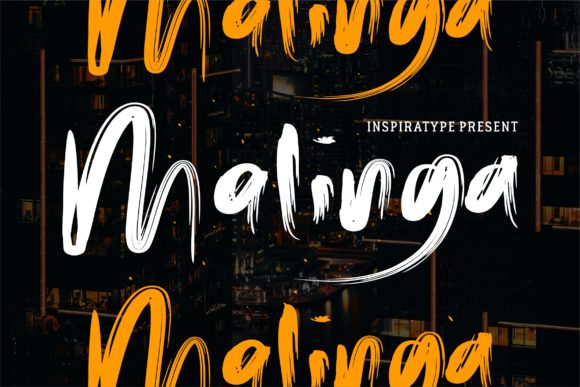
Malinga is a brushed display font that has been gaining popularity among designers, marketers, and creative professionals. Unlike traditional fonts with smooth, uniform strokes, Malinga features a rough texture that gives it an artistic and handcrafted feel. This distinctive quality makes it a versatile choice for a wide range of applications, from branding to product packaging.
The name "Malinga" itself evokes a sense of uniqueness and individuality, which aligns perfectly with the font's design philosophy. It’s not just about aesthetics; it’s about creating a visual identity that stands out in today’s competitive digital landscape.
The Texture That Defines Malinga
One of the most notable characteristics of Malinga is its brushed texture. This texture mimics the look of handwriting done with a brush or a dry brush technique in painting. The irregularities in the strokes give the font a dynamic and expressive appearance that can convey both creativity and authenticity.
- Handwritten Feel: The brushed effect makes Malinga look like it was created by hand, adding a personal touch to any design.
- Versatile Style: Despite its textured look, Malinga remains legible and adaptable for various uses.
- Modern Appeal: The font blends traditional artistry with modern design principles, making it suitable for both print and digital media.
Where Can You Use Malinga?
Malinga is not limited to one specific use case. Its unique texture and style make it ideal for multiple applications across different industries. Here are some popular areas where Malinga shines:
Branding and Logo Design
In the world of branding, first impressions matter. A logo is often the first thing people notice about a company, and Malinga can help create a memorable visual identity. Its rough texture adds character and personality to logos, making them more engaging and relatable.
For example, a boutique clothing brand might use Malinga for its logo to convey a sense of craftsmanship and originality. The font’s hand-drawn look can also appeal to consumers who value authenticity and individuality.
Product Packaging
Product packaging plays a crucial role in attracting customers. With Malinga, brands can create eye-catching labels and packaging designs that stand out on store shelves. The font’s texture adds depth and dimension to packaging, making products more visually appealing.
Imagine a line of artisanal coffee beans with packaging designed using Malinga. The font could be used for the product name and tagline, giving the packaging a rustic and organic feel that matches the product’s image.
Invitations and Event Design
Whether it's a wedding invitation or a corporate event flyer, Malinga can add a touch of elegance and charm. The font’s handwritten look is particularly well-suited for invitations that aim to evoke a personal or romantic atmosphere.
Using Malinga for event-related materials can help create a cohesive and stylish theme. Its versatility allows it to be paired with other fonts and design elements to achieve the desired aesthetic.
Quotes and Inspirational Content
Quotes and motivational messages often benefit from a font that conveys emotion and meaning. Malinga’s expressive texture makes it an excellent choice for displaying quotes on posters, social media posts, or even t-shirts.
For instance, a quote like “Be bold, be brave, be you” could be presented in Malinga to emphasize the message’s authenticity and courage. The font’s texture enhances the emotional impact of the words.
T-Shirts and Apparel Design
With the rise of custom apparel, Malinga has become a favorite among designers looking to create unique and stylish t-shirt designs. Its rough texture adds a tactile element to the design, making it more interesting and visually compelling.
From minimalist designs to intricate patterns, Malinga offers endless possibilities for apparel creators. Whether it's a statement piece or a subtle detail, the font can elevate the overall look of the garment.
Why Choose Malinga Over Other Fonts?
While there are many fonts available, Malinga offers something truly special. Its brushed texture sets it apart from other display fonts that may appear too polished or generic. This unique feature allows for greater creative freedom and helps designers break away from the norm.
Moreover, Malinga is highly adaptable. It works well with both light and dark color schemes, making it suitable for a wide range of design projects. Its legibility ensures that even with its textured appearance, the text remains easy to read, which is essential for effective communication.
Another advantage of Malinga is its modern relevance. In an era where consumers are drawn to authentic and personalized experiences, Malinga’s handcrafted look resonates with audiences looking for something more than the ordinary.
Common Misconceptions About Malinga
Some people may think that a font with a rough texture is difficult to work with or less professional. However, this is a misconception. While Malinga does have a unique look, it is still highly functional and appropriate for a variety of professional contexts.
- It’s Not Just for Casual Designs: Malinga can be used in both casual and formal settings. Its adaptability makes it suitable for everything from business cards to website headers.
- It Doesn’t Compromise Legibility: Despite its texture, Malinga maintains clarity and readability. This makes it a practical choice for any design project.
- It Offers Creative Freedom: Rather than limiting design options, Malinga encourages experimentation and innovation. Its unique texture opens up new possibilities for visual storytelling.
How to Incorporate Malinga into Your Projects
If you're interested in using Malinga in your next design project, here are a few tips to help you get started:
- Experiment with Pairings: Try combining Malinga with other fonts to create a balanced and visually appealing layout. For example, pair it with a clean sans-serif font for contrast.
- Play with Colors: The brushed texture of Malinga works well with both muted and vibrant colors. Experiment with different color combinations to see what best suits your project.
- Use It Sparingly: While Malinga is eye-catching, it’s best used as a focal point rather than for large blocks of text. Reserve it for headlines, titles, or key messages.
By understanding how to use Malinga effectively, you can unlock its full potential and create designs that are both stylish and meaningful.
Conclusion: Embrace the Beauty of Malinga
Malinga is more than just a font—it’s a creative tool that empowers designers to express themselves in new and exciting ways. Its brushed texture and versatile style make it a valuable asset for anyone looking to create designs that stand out.
Whether you’re designing a logo, crafting a product label, or creating a poster, Malinga offers a unique way to bring your vision to life. By embracing this font, you can add a touch of authenticity and artistry to your work, making it more engaging and memorable for your audience.