Deadly Finisher: A Strategic Tool for Bold and Trendy Design
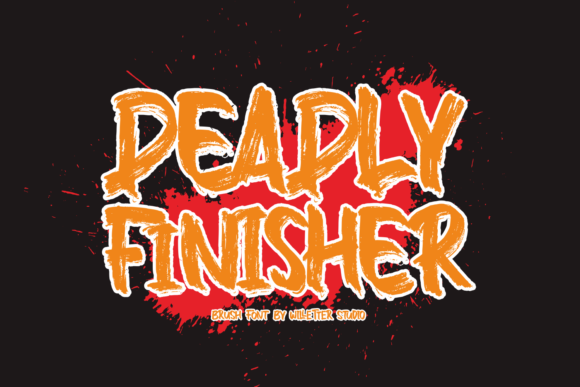
Deadly Finisher is more than just a font—it's a design choice that speaks volumes about the intent behind your visual communication. As a bold and brushed display font, Deadly Finisher brings a unique energy to any project, making it an ideal option for those who want to stand out in a crowded digital landscape. Whether you're crafting a brand identity, designing a website, or creating marketing materials, the right font can make all the difference in how your message is received. In this article, we’ll explore why Deadly Finisher is strategically useful, how to use it effectively, and what to consider before relying on it for your next design project.
Understanding the Power of Deadly Finisher
Fonts are not just about aesthetics; they influence perception, readability, and engagement. Deadly Finisher combines a casual yet trendy vibe with a strong, assertive presence that commands attention. This makes it particularly effective for informal designs where the goal is to convey confidence and creativity without coming off as overly formal or rigid.
Its brushed appearance gives it a handcrafted feel, which can be especially appealing for creative industries such as fashion, lifestyle, and entertainment. The boldness of the font ensures that it remains legible even at smaller sizes, making it suitable for both headlines and body text in certain contexts.
Strategic Use Cases for Deadly Finisher
When used thoughtfully, Deadly Finisher can support various strategic goals:
- Brand Positioning: If your brand aims to be seen as innovative and approachable, Deadly Finisher can help reinforce that image through its modern and edgy style.
- Marketing Materials: From social media posts to promotional banners, Deadly Finisher adds a touch of personality that can increase engagement and recall.
- Website Design: When used for headings or call-to-action buttons, Deadly Finisher can draw the eye and encourage interaction.
- Print Media: Brochures, posters, and flyers benefit from the font’s dynamic look, which can enhance visual appeal and make your content more memorable.
Planning Your Design Strategy with Deadly Finisher
Before incorporating Deadly Finisher into your design, it’s important to align it with your overall strategy. Consider the following questions:
- What is the primary goal of the design? Is it to inform, persuade, entertain, or inspire? The answer will determine whether Deadly Finisher is the best fit.
- Who is the target audience? If your audience prefers a more professional look, Deadly Finisher may need to be paired with more traditional fonts for balance.
- What is the context of use? Will the design be viewed on mobile devices, printed materials, or digital screens? Ensuring readability across different platforms is crucial.
- How does the font contribute to the overall message? Does it reinforce the tone and intent of the content? If not, it may be better to choose another font.
By answering these questions upfront, you can ensure that Deadly Finisher serves a purpose rather than being used as a random stylistic choice. This intentional approach helps maintain consistency and clarity in your communication.
Tips for Effective Implementation
To get the most out of Deadly Finisher, follow these practical tips:
- Use It Sparingly: While Deadly Finisher is bold, overusing it can lead to visual clutter. Reserve it for key elements like headlines, logos, or calls to action.
- Pair It Wisely: Combine Deadly Finisher with complementary fonts that offer contrast in weight and style. For example, pairing it with a clean sans-serif font can create a balanced and professional look.
- Test Across Devices: Always check how Deadly Finisher appears on different screen sizes and resolutions to ensure it remains legible and impactful.
- Consider Color and Background: The font’s appearance can be affected by color choices and background contrasts. Test different combinations to find the most effective one.
Potential Risks and Considerations
While Deadly Finisher offers many benefits, there are also potential risks to be aware of:
Risk 1: Misalignment with Brand Identity
If your brand has a more formal or conservative image, using Deadly Finisher might come off as unprofessional or inconsistent. It’s essential to evaluate whether the font aligns with your brand’s values and personality before making it a core part of your visual identity.
Risk 2: Overuse Leading to Visual Fatigue
Using Deadly Finisher too frequently can cause visual fatigue, especially if the design lacks balance. This can reduce the effectiveness of your message and potentially alienate your audience.
Risk 3: Limited Legibility in Certain Contexts
Although Deadly Finisher is designed to be readable, its brushed style may not be ideal for long-form text. Using it for extended paragraphs could make the content harder to read and less engaging.
By understanding these risks, you can make more informed decisions about when and how to use Deadly Finisher in your projects.
Long-Term Value and Decision-Making Guidance
Incorporating Deadly Finisher into your design strategy should be a deliberate process that considers both short-term impact and long-term value. Here are some guiding principles to keep in mind:
- Align with Long-Term Goals: Ask yourself how Deadly Finisher contributes to your broader objectives. Does it help build brand recognition, improve user experience, or support a specific marketing campaign?
- Monitor Performance: After implementing Deadly Finisher, track how it affects engagement, conversions, or other relevant metrics. Use this data to refine your approach over time.
- Stay Flexible: Be open to adjusting your font usage based on feedback and changing needs. What works today may not work tomorrow, so flexibility is key.
Ultimately, Deadly Finisher is a powerful tool that, when used intentionally, can elevate your designs and help you achieve your strategic goals. By considering its strengths, limitations, and appropriate use cases, you can harness its potential to create compelling, effective, and memorable visual experiences.