Rollet: A Bold and Dramatic Display Font for Spooky Designs
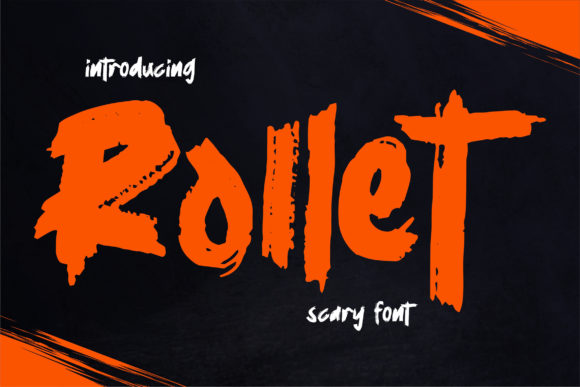
Rollet is a display font characterized by its bold, dramatic letterforms and rough texture. Designed to evoke a sense of intensity and mystery, it lends itself well to projects that require a spooky or ominous aesthetic. Its unique style makes it stand out in visual compositions, making it a popular choice among designers looking to create an unsettling or dramatic atmosphere.
What Is Rollet?
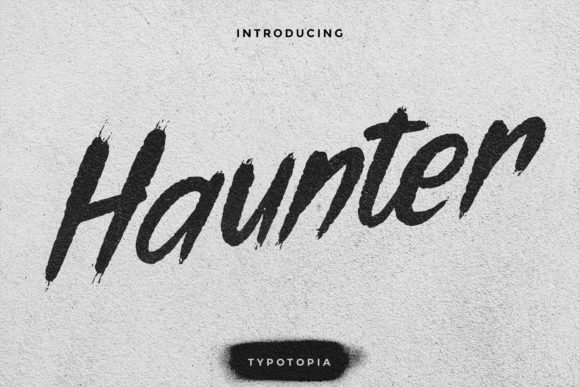
Rollet is a typeface that features exaggerated strokes, uneven edges, and a somewhat jagged appearance. These characteristics contribute to its intimidating and eerie look, which can be highly effective in certain design contexts. The font is often described as having a gothic or horror-inspired feel, with letters that appear almost hand-drawn or carved into stone.
Typically used for headlines, logos, or other prominent text elements, Rollet is not recommended for long passages of body text due to its complexity and readability challenges. Its primary function is to capture attention and convey emotion through visual impact.
Why Might Someone Be Interested in Rollet?
Designers may find Rollet appealing for several reasons. First, it offers a distinctive visual identity that can help differentiate a project from others. Its dramatic flair can be particularly useful in branding, advertising, or creative media where making a strong first impression is essential.
Additionally, Rollet's spooky aesthetic aligns well with themes related to horror, fantasy, or the supernatural. It can enhance the mood of a design, whether for a Halloween-themed campaign, a haunted house attraction, or a dark fantasy game. Its versatility across different mediums, including print and digital platforms, also adds to its appeal.
Benefits of Using Rollet
- Strong Visual Impact: Rollet's bold and dramatic style ensures that any text set in this font will be immediately noticeable.
- Emotional Resonance: The font's rough texture and intense character can evoke feelings of fear, intrigue, or suspense, which can be strategically used to engage audiences.
- Unique Branding Opportunity: For brands seeking to establish a memorable identity, Rollet can serve as a powerful tool to communicate a specific tone or theme.
Potential Tradeoffs and Considerations
While Rollet has clear advantages, there are also important considerations to keep in mind. One major limitation is its lack of legibility when used for extended text. The font's intricate details and irregular shapes can make reading difficult, especially at smaller sizes.
Another consideration is the appropriateness of the font for the intended message. Rollet's spooky and dramatic nature may not align with more professional, clean, or modern design goals. Overusing it could lead to a cluttered or overwhelming visual experience.
Additionally, the font may not be suitable for all audiences. Depending on the context, the unsettling feel of Rollet could alienate some viewers or fail to resonate with the intended message.
Situations Where Rollet Is a Strong Fit
Rollet is best suited for projects where the goal is to create a dramatic or mysterious atmosphere. This includes:
- Halloween or Horror-Themed Projects: Whether designing promotional materials, website headers, or event invitations, Rollet can enhance the spooky vibe.
- Fantasy or Sci-Fi Media: In book covers, movie posters, or game titles, Rollet can add a sense of adventure or danger.
- Artistic or Experimental Design: For creative pieces that prioritize visual expression over traditional readability, Rollet can be an excellent choice.
When Alternatives May Be Worth Considering
In situations where clarity and accessibility are priorities, alternatives to Rollet may be more appropriate. Sans-serif fonts like Helvetica or Arial offer superior readability and are better suited for body text, instructional materials, or formal documents.
If the goal is to convey a more refined or professional tone, serif fonts such as Times New Roman or Georgia may be preferable. These fonts provide a classic and elegant appearance that contrasts with Rollet's more intense character.
For projects that require a balance between creativity and usability, hybrid or transitional fonts like Montserrat or Lato can offer a middle ground, combining visual interest with improved legibility.
Practical Decision-Making Insights
Before choosing Rollet, consider the overall purpose of your design and the audience you're targeting. Ask yourself: Does the font support the message I want to convey? Will it be easy for my audience to read and understand?
Evaluate how Rollet interacts with other design elements, such as color schemes, images, and layout. A high-contrast background or complementary colors may enhance the font's visibility and impact.
It's also wise to test Rollet in various formats and sizes to ensure it performs well across different platforms and devices. If possible, gather feedback from others to gauge how effectively the font communicates your intended message.
Ultimately, the decision to use Rollet should be based on a careful evaluation of its strengths and limitations in relation to your specific needs. While it can be a powerful tool for creating a dramatic effect, it's not always the best choice for every design scenario.