Coloring as a Design Tool: Exploring the Versatility of the Coloring Font
The Coloring font is more than just a simple typeface—it's a dynamic design element that can elevate visual communication across various mediums. With its bold and casual style, this font brings an air of playfulness and simplicity to any project. Whether you're designing product packaging, creating invitations, or working on branding materials, the Coloring font offers a unique way to capture attention while maintaining clarity.
The Characteristics of the Coloring Font
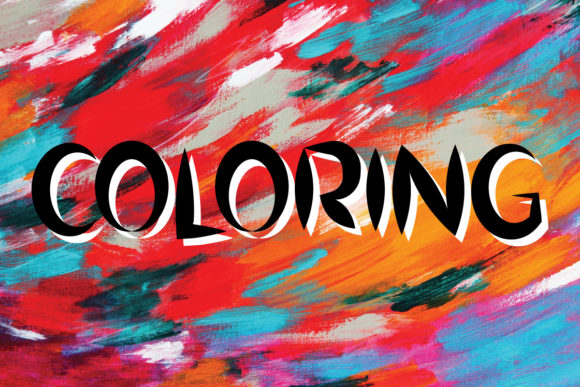
The Coloring font is defined by its clean lines and straightforward structure. Unlike more intricate fonts that may be difficult to read at smaller sizes, Coloring maintains legibility even in compact formats. Its bold weight gives it a strong presence without overwhelming the viewer. This makes it particularly effective for headlines, logos, and other elements where impact is key.
One of the most notable features of the Coloring font is its versatility. It works well with both digital and print media, making it a go-to choice for designers who need a consistent look across multiple platforms. The font’s casual nature also allows it to blend seamlessly into creative projects that aim for a relaxed, approachable feel.
Why Choose Coloring Over Other Fonts?
While there are many fonts available, Coloring stands out due to its balance of simplicity and strength. It doesn’t require excessive spacing or special formatting to be readable, which makes it ideal for use in fast-paced environments such as websites, mobile apps, and signage. Additionally, the font’s bold appearance helps it stand out against busy backgrounds, ensuring that your message remains clear and visible.
Compared to more decorative fonts, Coloring avoids unnecessary embellishments that can distract from the content. This focus on clarity is especially important in professional settings, where readability is often prioritized over aesthetic flair. However, the font’s casual tone still allows it to be used in more creative contexts, such as t-shirt designs or poster art.
Practical Applications of the Coloring Font
The Coloring font is incredibly adaptable, making it suitable for a wide range of applications. From branding to packaging, its ability to convey a sense of confidence and approachability makes it a popular choice among designers and businesses alike.
In the realm of branding, the Coloring font can help establish a strong visual identity. Its boldness conveys professionalism, while its simplicity ensures that the brand name or tagline is easily recognizable. Many companies use this font in their logos because it strikes a perfect balance between being memorable and easy to read.
Product packaging is another area where the Coloring font shines. Whether you're designing a label for a food product or a promotional item for a retail store, the font’s clean lines and strong presence make it ideal for capturing consumer attention. It can be used to highlight key information such as product names, prices, or special offers without compromising on aesthetics.
For invitations, the Coloring font adds a touch of personality to traditional designs. Its casual yet bold style makes it suitable for both formal and informal events, from weddings to birthday parties. When paired with colorful graphics or illustrations, the font can create a visually engaging invitation that stands out from the crowd.
Use Cases in Digital and Print Media
In digital media, the Coloring font is commonly used in website headers, buttons, and call-to-action sections. Its readability ensures that users can quickly grasp the intended message, while its boldness draws the eye toward important elements. Web developers and designers often choose this font when they want to maintain a clean, modern look without sacrificing visual impact.
In print media, the font is frequently found in magazines, newspapers, and brochures. Its ability to remain legible at different sizes and distances makes it a reliable choice for publications that cater to a broad audience. Additionally, the font’s simplicity allows it to complement a wide variety of design styles, from minimalist layouts to more elaborate compositions.
Considerations When Using the Coloring Font
While the Coloring font is highly versatile, there are certain considerations to keep in mind when using it in your design projects. One of the most important factors is contrast. Because the font is bold, it’s essential to ensure that it stands out against the background. If the background is too similar in color or texture, the text may become difficult to read.
Another consideration is the context in which the font will be used. While Coloring is suitable for a wide range of applications, it may not be the best choice for every situation. For example, if you’re designing a document that requires a more formal or academic tone, a more traditional font might be more appropriate. However, for projects that benefit from a friendly, approachable vibe, Coloring is an excellent option.
It’s also worth noting that the Coloring font should be used sparingly in complex layouts. Too much of it can overwhelm the viewer and detract from the overall design. Instead, consider using it for key elements such as headings, titles, or accents, and pair it with other fonts for body text to maintain visual harmony.
Tips for Maximizing the Effectiveness of Coloring
To get the most out of the Coloring font, start by experimenting with different weights and sizes. You may find that using a slightly lighter version of the font for subheadings or secondary text creates a more balanced composition. Additionally, pairing the font with complementary colors can enhance its visual appeal and make your design more engaging.
If you're unsure how to incorporate the Coloring font into your project, consider looking at examples of successful designs that have used it. These can provide valuable insights into how to use the font effectively in different contexts. You can also experiment with different layout styles to see what works best for your specific needs.
Finally, don’t be afraid to think outside the box when using the Coloring font. Its bold and casual nature makes it a great fit for creative projects that aim to break the mold. Whether you're designing a logo, creating a poster, or developing a website, the Coloring font offers a unique way to express your vision and connect with your audience.